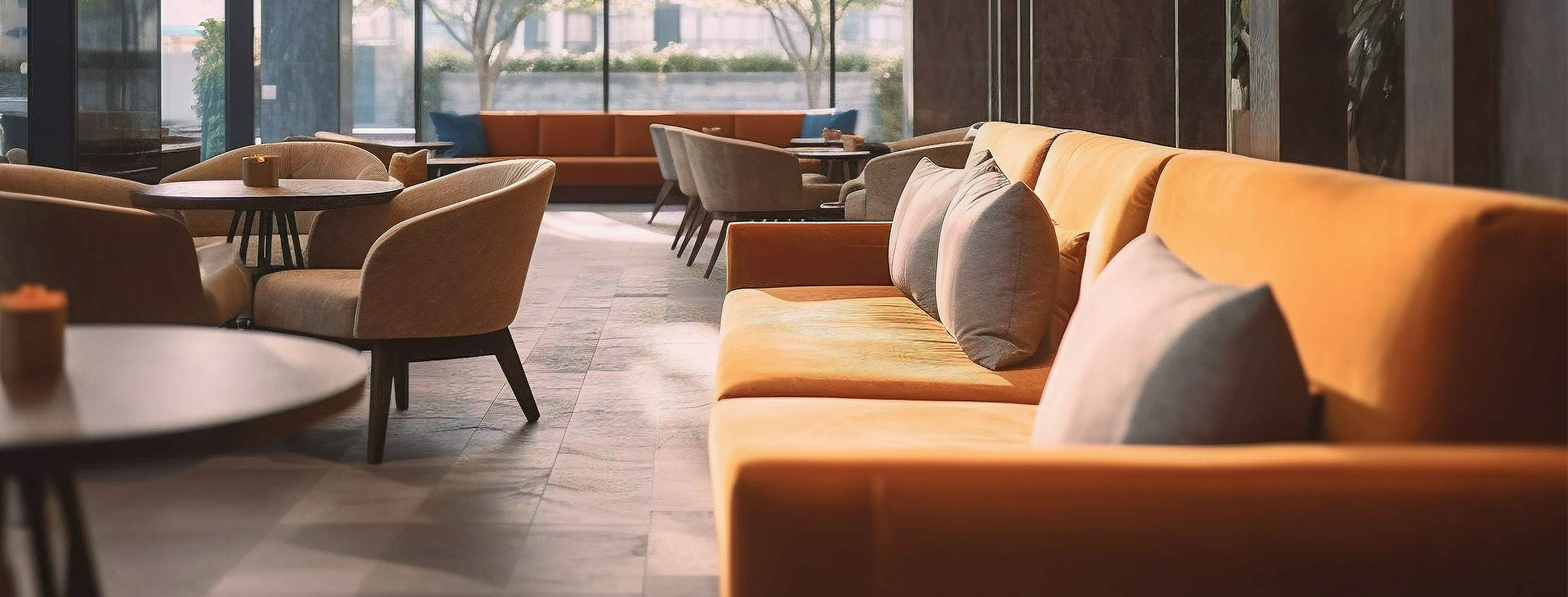
How to design the layout of restaurant tables and chairs? The layout design of restaurant tables and chairs is a key element in creating a comfortable dining
environment, enhancing customer experience, and optimizing space utilization. A carefully designed layout not only enhances the overall beauty of the restaurant,
but also promotes interaction and privacy protection among customers, while ensuring smooth service processes. Here are some suggestions for restaurant table
and chair layout design from a professional perspective:
### 1. Spatial Assessment and Planning
-Measurement and analysis: Firstly, conduct a detailed measurement of the restaurant space, including length, width, height, and the location of existing
obstacles such as columns, doors, and windows, to ensure that the layout design meets actual conditions.
-Requirement analysis: Clarify the positioning of the restaurant (such as fast food, meals, casual coffee, etc.), estimate the daily passenger flow, and consider
the preferences of the customer group, such as whether they need a family area, private rooms, etc.
### 2. Streamline design
-Customer flow: Ensure that the path from the entrance to the seat and then to the exit is clear and does not interfere with each other, avoiding congestion
points.
-Service route: The movement path of service personnel should be efficient and not affect customer dining, usually designed as a circular or partitioned service
route.
-Kitchen and front desk: Ensure smooth logistics channels between the kitchen production area and the front desk service area for quick serving.
### 3. Table and chair selection and configuration
-Table Type Selection: Choose the appropriate table type based on the restaurant style and customer needs, such as a four person square table, a six person
round table, a long table, etc. Consider flexibility and variability, such as using spliced tables to accommodate the dining needs of different numbers of people.
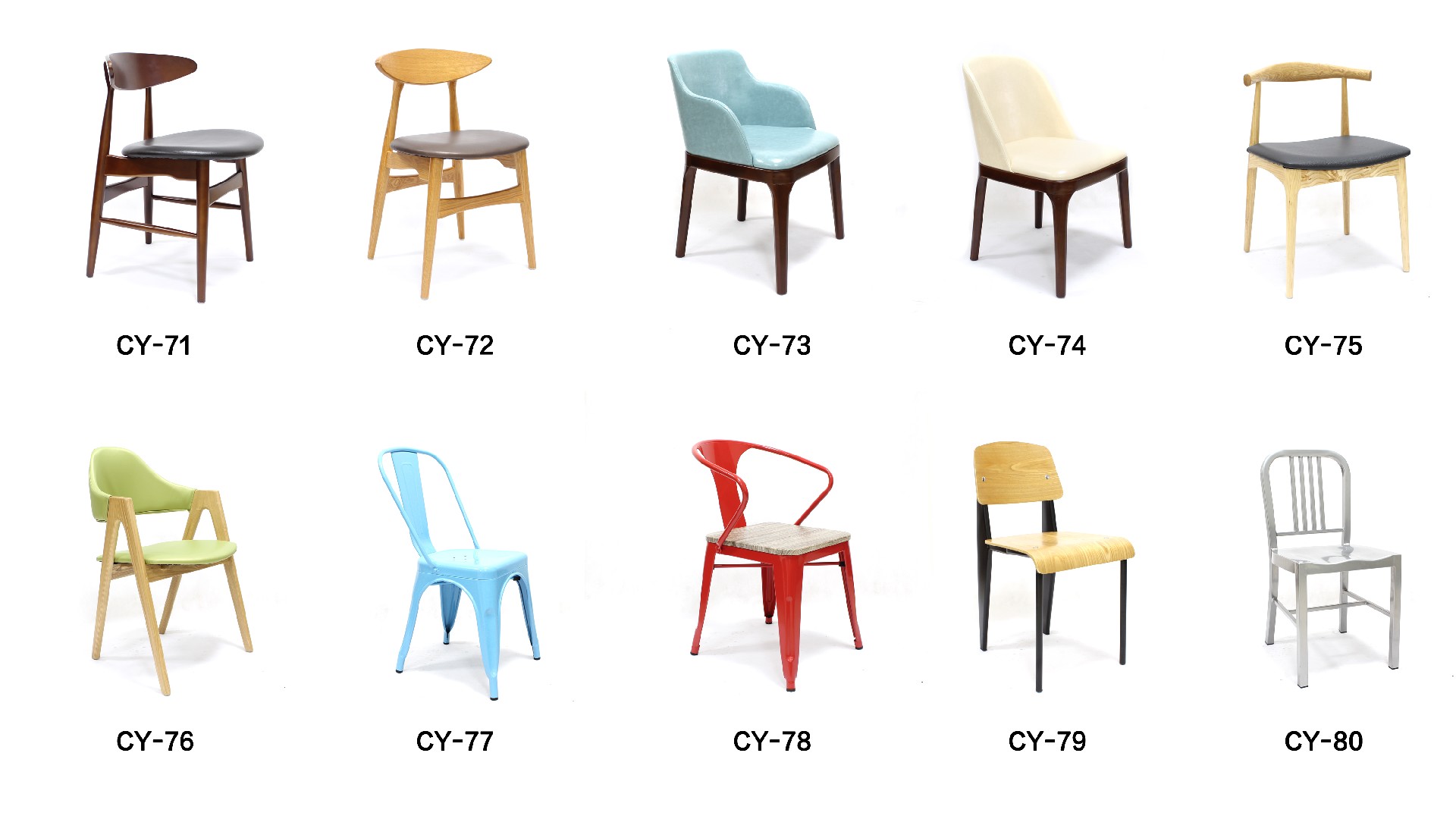
-Chair design: The chair should be coordinated with the table style, while emphasizing comfort and durability. Considering the needs of different customer
groups, such as providing chairs with armrests to facilitate seating for the elderly.
-Distance control: Reasonably set the distance between tables and chairs, ensuring the privacy between customers and facilitating the operation of service
personnel. Generally speaking, a distance of at least 1.2 to 1.5 meters should be maintained between dining tables.
### 4. Regional division
-Open and Private Areas: Open dining areas and relatively private rooms or corner seats are divided by screens, green plants, or partitions of different
heights to meet the needs of different customers.
-Featured areas: Set up featured areas based on the characteristics of the restaurant, such as bar area, children's play area, etc., to increase the attractiveness
of the restaurant.
### 5. Lighting and Atmosphere
-Lighting design: Use lighting to create a comfortable dining atmosphere, such as soft warm toned lighting suitable for dining restaurants, while bright
lighting is more suitable for fast food restaurants.
-Decorative elements: Enhance the overall style of the restaurant through details such as artworks, green plants, and wall decorations, making the layout
more vivid and interesting.
### 6. Flexibility and Scalability
-Modular design: Adopting modular table and chair design, it is easy to flexibly adjust the layout according to holidays, special events, or changes in
passenger flow.
-Reserved space: Reserve a certain amount of space during planning as a flexible use area to cope with possible future expansion needs.
In summary, the layout design of restaurant tables and chairs is a process that comprehensively considers space, functionality, aesthetics, and customer experience. Through scientific and rational planning and design, a dining environment that is both beautiful and practical can be created, laying a solid foundation for the successful operation of the restaurant.


400-888-5670