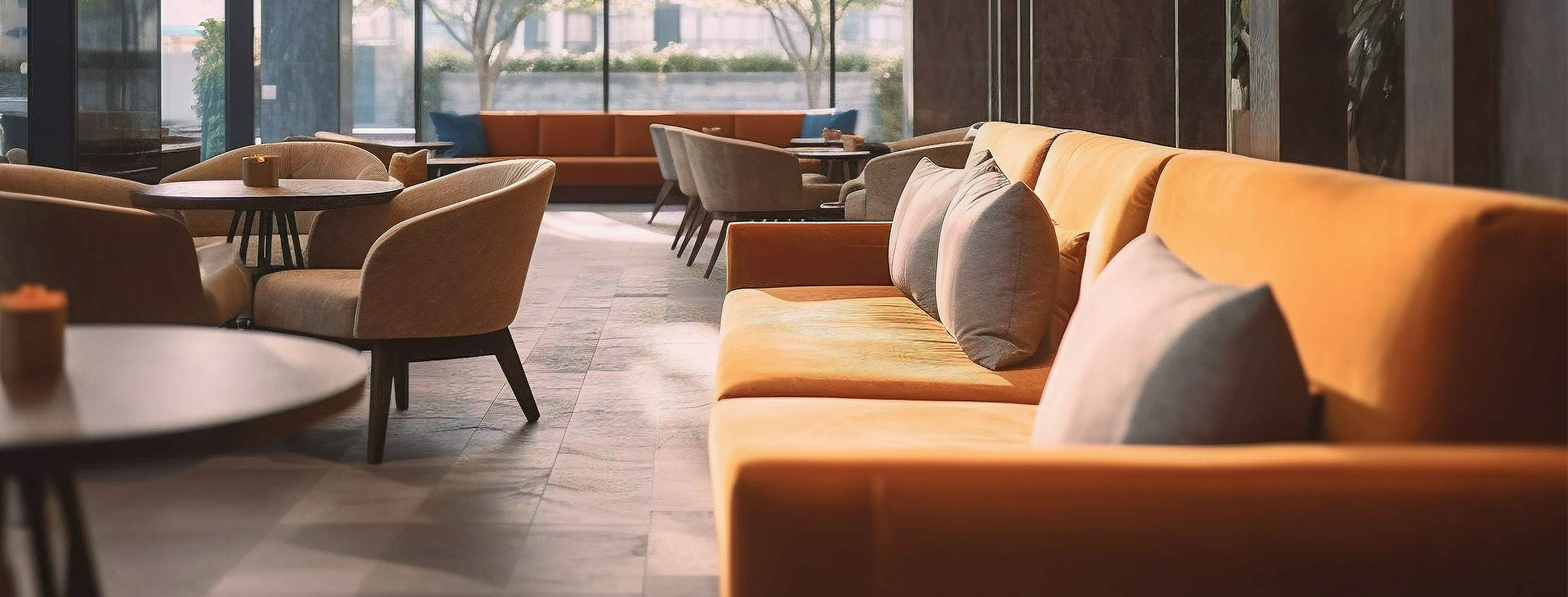
When choosing a table and chair configuration suitable for Western fast food restaurants, a number of factors need to be considered comprehensively to
ensure that both the customer's dining experience is satisfied, and the store's operational efficiency and brand image are in line. Here are some tips from a
professional perspective:
1. Customer experience first
Comfort: The use of ergonomic chairs to ensure that customers are not easy to feel tired for a long time. The edge of the desktop should be smooth without
sharp angles to prevent accidental injury.
Space layout: Reasonable planning of table and chair spacing, not only to ensure the privacy of customers, but also to facilitate the walking and service of
waiters. In general, each table should be kept at least one meter away from each other.
Cleaning and maintenance: Choose materials that are easy to clean and disinfect, such as wear-resistant and dirty-resistant desktops and waterproof and
oil-resistant chair fabrics to reduce cleaning workload and time.
2. Operational efficiency considerations
Flexibility: Consider using stackable or wheeled chairs, as well as tables that are easy to move to quickly adjust in-store layouts or increase seating capacity
during off-peak hours.
Storage and storage: Design or select a table and chair with storage space, such as a backpack or jacket can be placed under the chair, and the desktop edge
is equipped with hooks, etc., to reduce the space occupied by customers' items and improve the space utilization rate.
Quick turn over: Optimize the layout of tables and chairs to promote rapid turn over rate. For example, using a long dining table instead of a round table makes
it easier for multiple people to share and reduces the floor space.
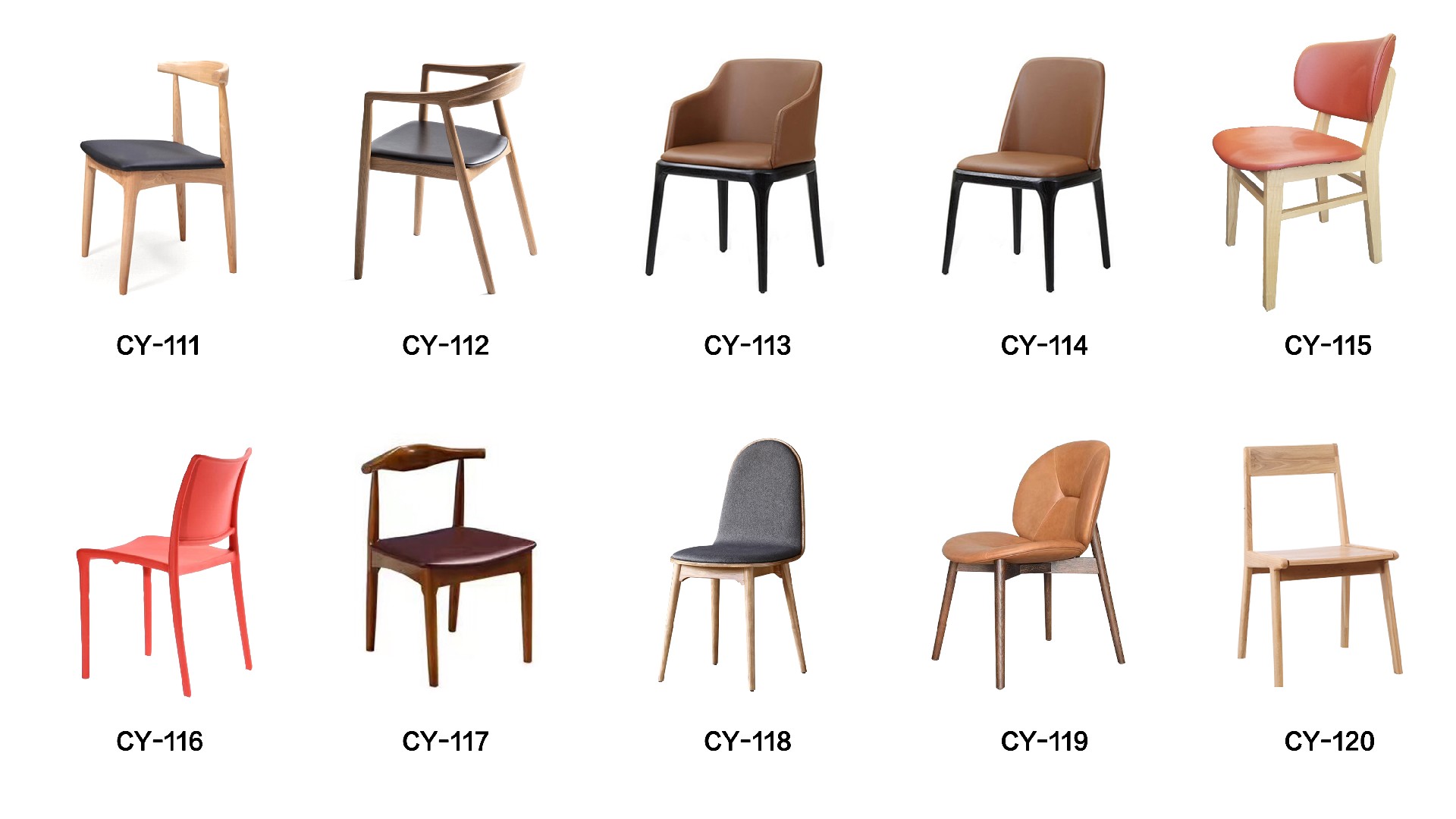
3. Brand image and style
Consistency: The style and color of tables and chairs should be consistent with the overall decoration style and brand image of fast food restaurants to enhance
brand identity.
Fashion and durability: Choose tables and chairs that are in line with the current trend without losing durability, which can attract young customers and maintain
good use for a long time.
Personalized elements: Appropriate personalized design into the brand characteristics, such as brand Logo, color theme, etc., to enhance customer memory
points.
4. Cost-benefit analysis
Return on investment: Evaluate the cost of tables and chairs of different materials, designs and brands, and calculate the return on investment combined
with the expected service life and customer satisfaction.
Maintenance costs: Consider long-term maintenance costs, including cleaning, repair and replacement costs, and choose cost-effective products.
5. Environmental protection and sustainability
Environmentally friendly materials: Preferentially use tables and chairs made of environmentally friendly materials, such as FSC certified wood, recyclable
metal, etc., to reflect corporate social responsibility.
Energy efficiency: Although the tables and chairs themselves do not directly consume energy, choosing a restaurant layout with good natural lighting and
energy-efficient lighting design can indirectly reduce energy consumption and create a more comfortable dining environment.
To sum up, when choosing tables and chairs, Western fast food restaurants need to fully consider customer experience, operational efficiency, brand image,
cost effectiveness and environmental sustainability, etc., in order to achieve the optimization and improvement of the overall operation of the restaurant.


400-888-5670